
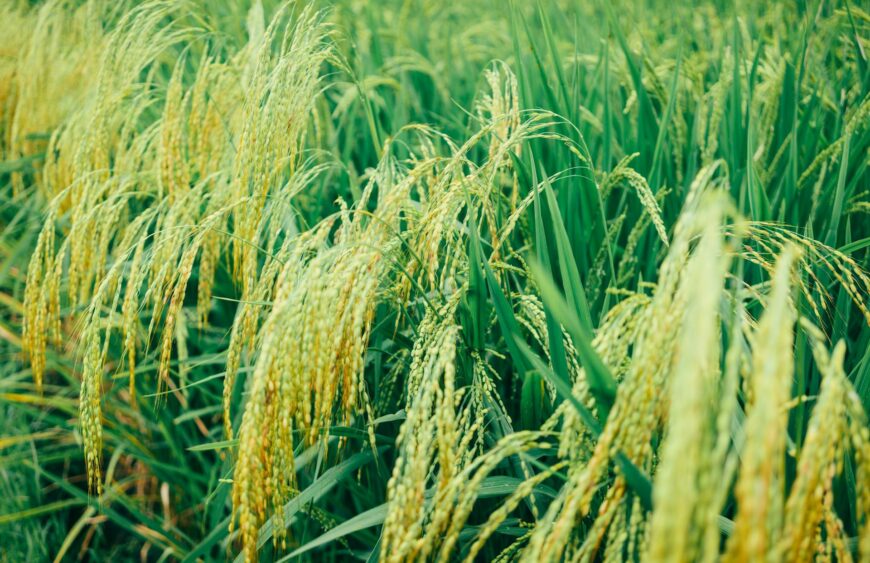
The Jianghan Plain, located in central China’s Hubei Province, is a fertile alluvial plain formed by the Yangtze and Han Rivers. As one of China’s most important agricultural regions, the Jianghan Plain is known for its rich water resources, fertile soil, and temperate climate—making it an ideal area for grain production. In particular, the region plays a significant role in producing high-quality rice and other staple crops like corn and wheat.
Ideal Natural Conditions for Premium Grain
The Jianghan Plain enjoys a subtropical humid climate with an average annual temperature above 15°C and abundant rainfall. These favorable weather conditions, combined with an extensive irrigation network and large arable land areas, create optimal environments for grain cultivation. The region supports multiple cropping patterns, including early rice, late rice, and even double-season rice, significantly boosting both yield and quality.
Soil in the Jianghan Plain mainly consists of paddy and alluvial soils, rich in organic matter and essential minerals. This fertile land promotes healthy crop growth, strong root systems, and improved resistance to pests and diseases, all of which contribute to superior grain quality.
Optimized Grain Structure and Sustainable Farming
In recent years, local governments across the Jianghan Plain have been actively promoting agricultural modernization and eco-friendly farming practices. High-standard farmland construction, advanced agricultural machinery, and smart farming systems are now common. Techniques such as crop rotation, reduced chemical usage, and organic farming methods are widely implemented, leading to improved crop quality and long-term sustainability.
The grain structure is also evolving. In rice cultivation, high-value varieties such as fragrant rice, selenium-rich rice, and premium long-grain rice are gaining popularity. Corn farming has introduced drought-resistant, high-yield hybrids, while wheat cultivation now emphasizes processing quality for flour production. These changes enhance product marketability and increase farmers’ income.
From Field to Table: Ensuring Quality Every Step of the Way
As consumers place more importance on food safety and healthy eating, grain enterprises in the Jianghan Plain have built comprehensive quality control systems that span the entire supply chain—from planting to packaging. Leading processing companies carefully select raw grains, use intelligent equipment for drying, milling, and storage, and implement traceability systems to ensure food safety from farm to table.
With the support of modern logistics, grains from the Jianghan Plain are distributed efficiently throughout China and exported to international markets, particularly in Southeast Asia and the Middle East where high-quality rice is in demand.
Looking Ahead: A Green and High-Efficiency Grain Industry
Under China’s national food security strategy, the Jianghan Plain is expected to play a crucial role in ensuring stable grain production while improving quality. The future of this region’s grain industry lies in green transformation and smart agricultural upgrades, making it a model of sustainable food production.
Brand development is also key. As regional brands like “Hubei Rice” and “Jianghan Selenium-Rich Rice” gain popularity, the influence of Jianghan Plain’s grain products is expanding both domestically and globally.
Conclusion
Known as the “Land of Fish and Rice,” the Jianghan Plain has long been a symbol of agricultural abundance. Today, it stands at the forefront of China’s modern grain industry, combining natural advantages with technological innovation. Whether it’s a bowl of aromatic rice on your table or a sack of premium grains shipped overseas, the grain from the Jianghan Plain represents the strength and promise of Chinese agriculture.



 : +86 13871387766
 : ruby@huachugranary.com